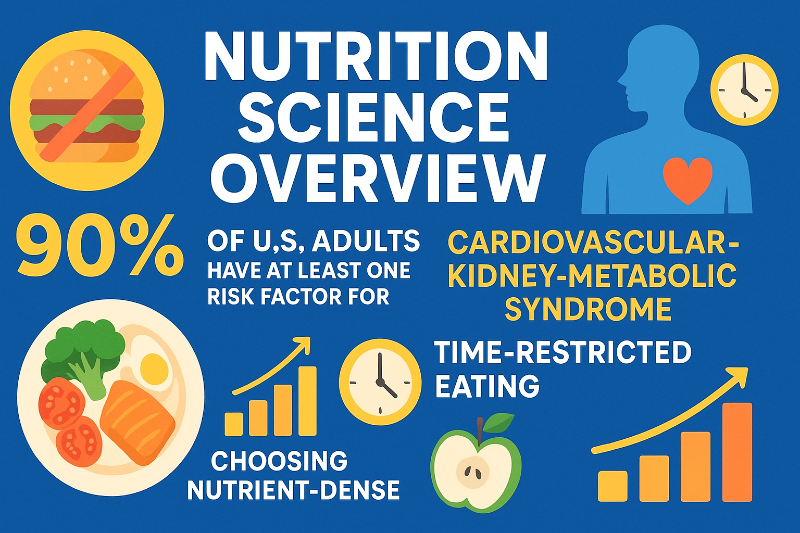
Nutrition Science Overview
The pressures of modern life—long hours, erratic schedules, and constant connectivity—often force busy professionals into dietary patterns that actively undermine their health. The collective consequences of these habits are alarming. A recent survey revealed a concerning statistic: approximately 90% of U.S. adults possess at least one risk factor for Cardiovascular-Kidney-Metabolic (CKM) syndrome. CKM syndrome is a newly defined cluster of interlinked diseases encompassing heart disease, kidney disease, diabetes, and obesity. This prevalence suggests that metabolic compromise is not an exception but a quiet epidemic, largely rooted in lifestyle factors like high blood pressure, abnormal cholesterol, and excess weight.
This metabolic tsunami occurs simultaneously with a phenomenon known as the "under-nourishment paradox": many individuals are over-fed in calories yet critically under-nourished in vital nutrients. Ultra-Processed Foods (UPFs), which are manufactured with excess added sugars, fats, and sodium, constitute up to 70% of the U.S. diet. High consumption of UPFs has been directly linked to increased risks of cardiovascular disease and stroke. Furthermore, high UPF diets are inversely associated with the intake of critical micronutrients necessary for robust health, such as fiber, protein, Vitamin B12, Vitamin D, magnesium, and zinc. Therefore, the average modern diet is structurally deficient, setting the stage for metabolic disease and chronic fatigue.
---
The Role of Chrononutrition
The solution transcends simple calorie restriction; it requires restoring the body’s inherent biological rhythms. This brings us to Chrononutrition, the specialized field examining the profound interaction between food intake timing and endogenous circadian rhythms—the body’s 24-hour internal biological clocks. Aligning food intake with these rhythms represents a promising, accessible, and low-cost strategy for significantly improving metabolic outcomes.
A pervasive misconception in weight management is that calorie counting is the sole determinant of success. While monitoring energy balance (consuming fewer calories than expended) remains foundational, evidence confirms that the type and timing of food profoundly dictate how efficiently the body processes and utilizes that energy.
---
Scientific Foundation: The Metabolic Power of Timing and Quality
The Circadian Metabolic Blueprint
The human body is orchestrated by a central clock in the brain and numerous peripheral clocks located in metabolic tissues, including the liver, muscle, and pancreas. These regulate enzyme activity and hormonal secretions, notably insulin. Research demonstrates that the body’s ability to efficiently process glucose is highest during daylight hours—our active phase. Hence, the body has an optimal window for energy processing.The Detrimental Cost of Circadian Misalignment
When individuals fail to synchronize their eating and sleeping behaviors with internal circadian cues, the result is “eating jetlag.” This misalignment increases the risk of obesity, type 2 diabetes, and cardiovascular disease.Eating dinner late, particularly close to bedtime, reduces fatty acid oxidation during sleep and induces nocturnal glucose intolerance—conditions that promote fat storage. Studies also show that late eaters lose less weight than early eaters, even when consuming the same calories, due to appetite hormone dysregulation.
---
Macronutrient Synergy: Protein, Fiber, and Energy Stability
High-Protein Diets (HPDs)
- Reduce body fat while preserving muscle mass - Increase thermogenesis and satiety hormones (GLP-1, PYY) - Decrease hunger hormones (ghrelin)Fiber & Complex Carbohydrates
Complex carbs slow glucose absorption, stabilizing blood sugar and preventing energy crashes. Guidelines recommend 14g of fiber per 1,000 calories consumed daily.Micronutrient Deficiencies in UPFs
UPFs lack essential minerals (iron, magnesium, zinc) and B vitamins vital for cellular energy and muscle function. This results in chronic fatigue and low physical performance.---
Strategic Tools: Time-Restricted Eating (TRE)
Time-Restricted Eating confines caloric intake to a specific window (e.g., 8 hours). Studies show TRE can: - Aid in weight loss - Improve metabolic markers - Preserve muscle mass when combined with exercise
---
Practical Implementation for Busy Professionals
1. Establish Circadian Consistency
Minimize variability in meal timing to avoid “eating jetlag.” Eat at regular intervals (every 3–5 hours).2. Strategic Meal Timing Blueprint
| Meal | Optimal Timing Window | Nutrient Focus | Circadian Benefit | |------|------------------------|----------------|-------------------| | Breakfast | Within 1–2 hrs of waking (no later than 10 AM) | High Protein (20–30g), Complex Fiber | Insulin sensitivity highest; sets metabolic tone | | Lunch | 4–5 hrs after breakfast | Balanced carbs, lean protein, vegetables | Sustained energy, prevents mid-afternoon crash | | Dinner | Before 8 PM | High Fiber, Lean Protein, Low Fat | Minimizes nocturnal glucose load | | Snacks | Mid-morning / Mid-afternoon | Protein + Fiber/Fat (e.g., apple + almond butter) | Prevents hunger spikes, curbs overeating |
---
The Busy Person’s Plate Builder
Every meal/snack should include Power Protein, Smart Carbs, and Healthy Fats.
| Component | Goal & Rationale | Busy-Friendly Example | Budget Staple | |------------|------------------|------------------------|----------------| | Power Protein | Preserve muscle, boost satiety (25g target) | Hard-boiled eggs, rotisserie chicken, canned tuna, whey shake | Lentils, tofu, beans, chicken breast | | Fiber/Smart Carbs | Slow-release energy, gut health | Quinoa, brown rice, oats, wraps | Brown rice, oats, sweet potatoes | | Healthy Fats/Vitamins | Nutrient absorption, anti-inflammatory | Olive oil, walnuts, avocado | Peanut butter, eggs, seeds |
---
Time-Saving Strategies
- Ingredient prep > full meal prep: Batch-cook grains, proteins, and veggies. - Repurpose leftovers: Cook extra dinner portions for lunch next day. - Stock pantry: Keep tinned beans, grains, and spices for quick meals.
---
Addressing Psychological Barriers
Irregular meals and nutrient-poor foods destabilize blood sugar and hunger hormones—creating cravings often mistaken for “lack of willpower.” Chrononutrition stabilizes hormones automatically, reducing the need for constant self-control.
Adopt a flexible, 80% consistency rule rather than perfection. Start with one small change—like a protein-rich breakfast within 90 minutes of waking—and build gradually.
---
Holistic Lifestyle Integration
The Gut-Brain-Stress Axis
Chronic stress elevates cortisol, disrupts the gut microbiome, and promotes inflammation. This triggers cravings for comfort foods.Nutritional Support for Cortisol & Sleep
Anti-inflammatory nutrients (Omega-3s, Vitamin C, selenium, zinc) help regulate stress and immune health. Eating dinner early supports circadian rhythm alignment and better sleep quality.Fueling Physical Performance
After exercise, consume protein + carbs to replenish glycogen and stimulate muscle repair.---
Sustainability Through Mindful Eating
Mindful eating encourages awareness of hunger, fullness, and emotional triggers. Practices such as deep breathing before meals can calm the nervous system and reduce stress-driven eating.
---
Conclusion
Metabolic resilience for busy professionals is built not on restriction but rhythmic consistency—aligning nutrient-dense eating with biological timing. By following the Strategic Meal Timing Blueprint, professionals can automate appetite control, enhance energy stability, and reduce CKM risk.
Start small: - Eat a protein-rich breakfast within 90 minutes of waking - Move dinner 30 minutes earlier most days
View your body as a clock, not a calculator. Aligning food with biological time unlocks sustainable energy, optimized body composition, and long-term metabolic health.
---
The Future of Nutrition
Emerging tools like Continuous Glucose Monitoring (CGM) and AI-driven personalization will soon allow individuals to optimize meal timing based on real-time metabolic data—ushering in a new era of precision chrononutrition.
---
> Disclaimer: > This report provides evidence-based educational information for general health optimization. It is not intended to diagnose, treat, cure, or prevent any disease. > Individuals with chronic conditions or dietary restrictions should consult a qualified healthcare provider or registered dietitian before implementing new dietary strategies such as Time-Restricted Eating.